
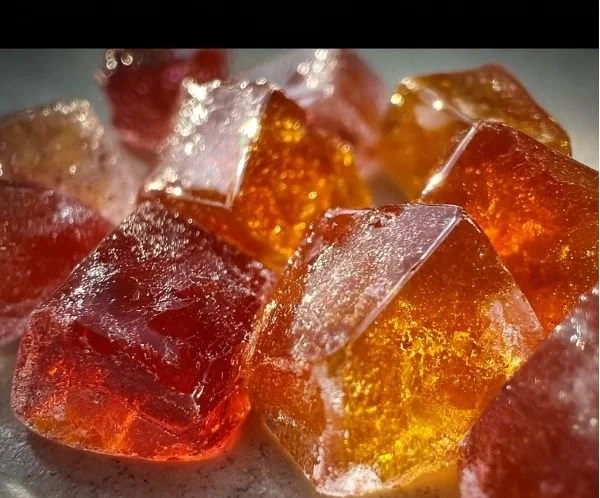
I love making homemade hard candy because it feels like a little chemistry experiment that ends in shiny, colorful treats. This recipe gives you clear, crisp candies with bright flavor and long shelf life — I’ve made batches for holidays and found the technique gets easier with practice. If you like hands-on sweets, this method is rewarding and adaptable (and pairs nicely with a slow-cooker candy plan like this crockpot candy I’ve checked out for big batches).
Why Make This Recipe
- Bright, concentrated flavors and a satisfying, crunchy snap you don’t get from store-bought candies.
- Long shelf life when stored properly — great for gifts, parties, or special occasions.
- Minimal ingredients: sugar, corn syrup, and water form the backbone; flavor and color are flexible.
- Fast to make: a single pot and a candy thermometer are all you need for a weekend project.
- Personal note: I love how each batch teaches you heat control — once you master the hard-crack stage, the rest is repeatable and fun, much like making other homemade confections or slow-cooker sweets.
Recipe Overview
- Prep time: 10 minutes (measuring and prepping molds/lining)
- Cook time: 15–25 minutes (to reach 300–310°F / 149–154°C)
- Total time: 30–40 minutes (including cooling and cutting)
- Servings: about 40 small candies (depends on size)
- Difficulty: Medium — precision with temperature is required
- Method: Stovetop boiling to the hard-crack stage, quick flavor/color addition, pour onto a silicone mat or into molds, then cool and cut.
My Experience Making This Recipe
I tested this recipe several times to dial in temperature and cooling times. Early attempts tended to be slightly sticky until I tightened my thermometer technique and controlled kitchen humidity. Once I started using a heavy-bottomed saucepan and a reliable candy thermometer, results became consistently glass-clear and crisp.
How to Make Homemade Hard Candy
You’ll heat sugar, corn syrup, and water to the hard-crack stage (300–310°F / 149–154°C) while avoiding stirring once the mixture reaches a full boil. Remove from heat, add flavoring and coloring, then pour the hot syrup onto a lightly oiled silicone mat or into greased candy molds. Let cool completely on a flat surface before snapping, cutting, or wrapping.
Ingredients (classic small batch)
- 2 cups (400 g) granulated sugar
- 2/3 cup (160 ml) light corn syrup
- 1 cup (240 ml) water
- 1/2–1 teaspoon flavoring extract (peppermint, lemon, cinnamon, etc.)
- Food coloring, a few drops as desired
- Neutral oil or nonstick spray for greasing
Equipment
- Heavy-bottomed 2–3 quart saucepan
- Candy thermometer (or instant-read probe calibrated)
- Silicone baking mat or lightly greased parchment / candy molds
- Heatproof spatula or spoon and small heatproof bowl for flavoring
Expert Tips for Success
- Use a reliable candy thermometer and clip it so the tip sits in the syrup without touching the pan bottom; calibrate in boiling water if unsure. Also see tips from tested recipes like this apricot cheesecake write-up for precision-minded baker approaches.
- Prevent crystallization by avoiding stirring after the syrup reaches a rolling boil; if crystals form on the pan edge, wet a pastry brush and wash them down before continuing to boil.
- Add flavoring off the heat. Powerful extracts or essential oils can separate if added too early; add 1/2–1 teaspoon after removing the pan from the burner and stir quickly but gently.
- Pour at the right moment — if syrup cools too long before pouring it becomes thick and difficult to spread; if you’re using molds, pour when the syrup is still fluid (just under 300°F is often easiest).
- Choose molds or a mat that handle heat well; silicone mats and rigid candy molds give the best release without greasing too heavily.
How to Serve Homemade Hard Candy
- Wrap individual pieces in cellophane or wax paper for gifts and party favors; ribboned bundles look professional.
- Serve assorted flavors and colors on a small dish for dessert bites, after-dinner palate cleansers, or candy jars.
- Use themed shapes or colors for holidays — peppermint rounds for Christmas, citrus yellows for summer parties.
- Pair peppermints with coffee or tea, and fruit flavors with light desserts like shortbread or plain cake.
Storage and Reheating Guide
- Store room-temperature in an airtight container layered with parchment to avoid sticking; keep in a cool, dry place away from humidity.
- Properly stored, hard candy lasts 3–6 months; humidity shortens shelf life and makes candy tacky.
- Freezing is possible: double-wrap in airtight freezer bags with parchment and store up to 12 months; thaw fully in sealed packaging to avoid condensation.
- To “rework” sticky candy, remelt slowly with a splash of water in a heavy saucepan and bring back to temperature, but be aware flavor and clarity may change.
Recipe Variations
- Fruit-flavored: replace extract with natural fruit oils or concentrated flavorings; add citric acid (1/8–1/4 tsp) for a sour kick.
- Spiced/seasonal: use cinnamon oil or clove extract and add warm-colored food coloring for fall treats.
- Sugar-free option: use isomalt in place of sugar (follow manufacturer’s temperature guidance as isomalt melts differently).
- Boiled fudge-like centers: pour a thin layer, let set, then top with another color for layered candies; technique borrows from other small-batch sweets like this homemade dumpling attention to layering.
Nutritional Highlights
- Hard candy is essentially sugar — high in calories and carbohydrates, low in fat and protein. Enjoy in small portions as an occasional treat.
- Allergen note: this basic recipe is dairy-free and gluten-free, but always check flavorings for hidden allergens.
- Portion guidance: one or two small pieces (5–10 g) is a reasonable serving to satisfy a sweet craving without excess sugar.
Troubleshooting Common Issues
- Candy is sticky and soft: likely didn’t reach the hard-crack stage. Reheat to 300–310°F and pour again, or remelt and add a little water and re-boil while monitoring temperature.
- Cloudy or grainy texture: sugar crystallization can happen if stirred after boiling or if crystals were introduced; next time wash down pan sides with wet pastry brush and avoid stirring once boiling starts.
- Burnt flavor or dark color: syrup overheated above 310°F (154°C) — discard and start over; use a heavy-bottomed pan and steady heat.
Frequently Asked Questions
Q: What is the “hard-crack” stage and why does it matter?
A: The hard-crack stage is 300–310°F (149–154°C). At this temperature, boiled sugar makes a brittle, glass-like candy that snaps cleanly. Reaching and confirming this temperature with a candy thermometer is essential for proper texture.
Q: Can I use natural flavorings like citrus oils or fresh juice?
A: Citrus oils (concentrated) work well in small amounts; fresh juice contains water and can interfere with setting, so avoid adding juice directly to the hot syrup. Use distilled extracts or concentrated oils instead.
Q: How do I prevent candy from sticking together after cooling?
A: Store candy in a dry, airtight container with parchment between layers. Keep it away from humid environments; refrigerating can introduce condensation and worsen stickiness.
Q: Can I pour hot candy into silicone molds?
A: Yes, silicone molds handle the heat well. Lightly oil them for easier release, and pour while the syrup is fluid (just under or at the hard-crack temp). Work quickly; syrup sets fast on molds.
Conclusion
For a classic reference and another tested method, see this Old-Fashioned Homemade Hard Candy Recipe which complements the techniques outlined here and offers additional flavor ideas.
Print
Homemade Hard Candy
- Total Time: 40 minutes
- Yield: Approximately 40 small candies
- Diet: Gluten-Free, Dairy-Free
Description
A fun and rewarding way to make colorful, crunchy hard candies at home with minimal ingredients and a long shelf life.
Ingredients
- 2 cups (400 g) granulated sugar
- 2/3 cup (160 ml) light corn syrup
- 1 cup (240 ml) water
- 1/2–1 teaspoon flavoring extract (peppermint, lemon, cinnamon, etc.)
- Food coloring, a few drops as desired
- Neutral oil or nonstick spray for greasing
Instructions
- Combine sugar, corn syrup, and water in a heavy-bottomed saucepan and heat to 300–310°F (149–154°C) without stirring.
- Once at the hard-crack stage, remove from heat and quickly add flavoring and food coloring.
- Pour the mixture onto a greased silicone mat or in candy molds.
- Let it cool completely before cutting or snapping into pieces.
Notes
Use a reliable candy thermometer and avoid stirring once the mixture reaches a rolling boil to prevent crystallization.
- Prep Time: 10 minutes
- Cook Time: 25 minutes
- Category: Candy
- Method: Stovetop boiling
- Cuisine: American