
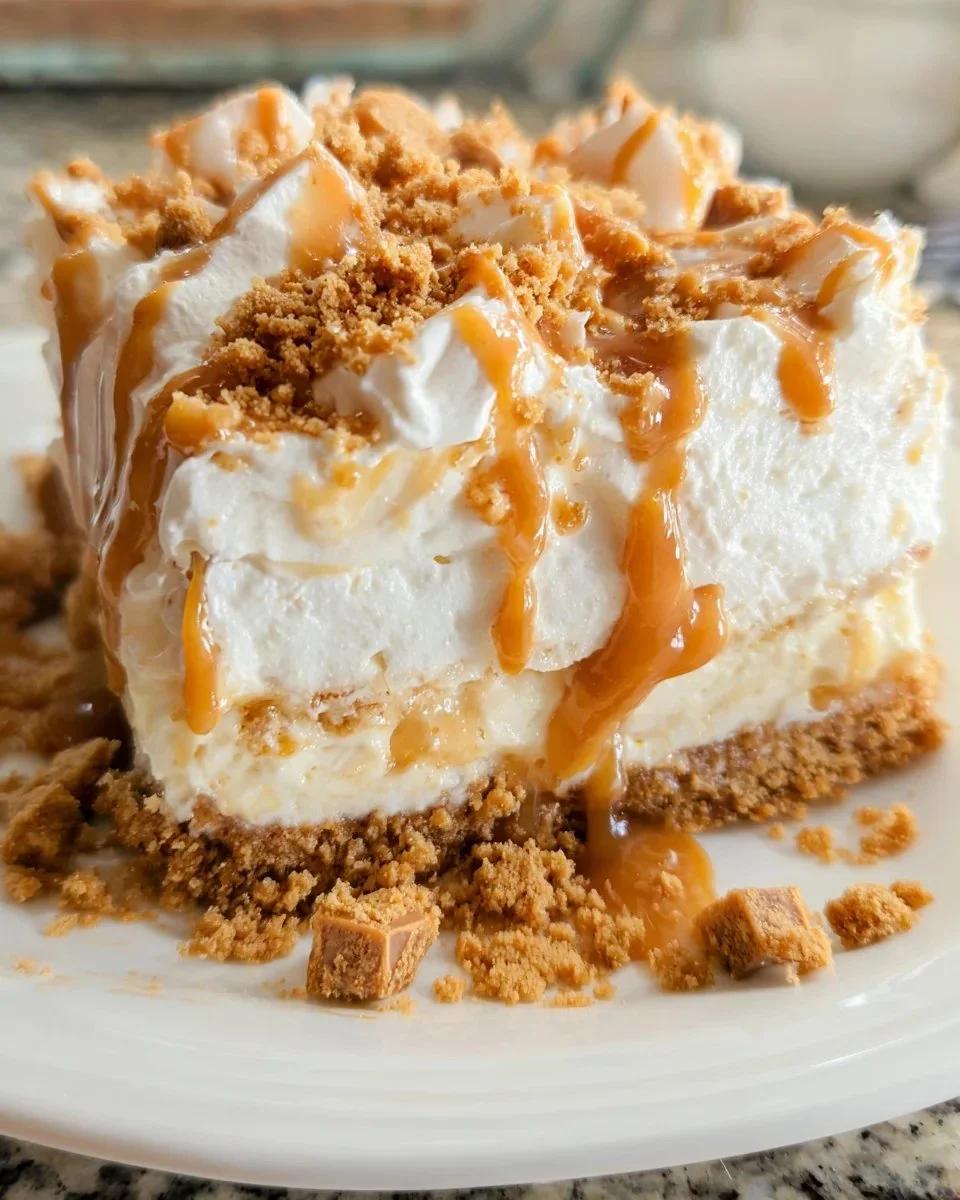
Butterscotch Delight is a cozy, buttery dessert that tastes like caramel but brighter and more buttery. I make it often when I want something that melts in your mouth and finishes with a rich, glossy sauce. If you like tried-and-true sweets, this version is easy to love and pairs well with other treats like Apricot Cheesecake Fillo Galette.
Why Make This Recipe
- Deep, buttery flavor that’s more complex than plain caramel yet quick to prepare.
- Works as a make-ahead dessert for dinners and holidays — it improves after chilling a bit.
- Uses pantry staples (brown sugar, butter, cream), so you can pull it together without a special shopping trip.
- Versatile: serve warm with ice cream or chilled like a bar dessert. I love this recipe because the sauce can be adjusted between silky and spoonable depending on your timing.
- Pairs beautifully with hot drinks and bold coffees, similar to a cozy cup of Authentic Italian Hot Chocolate.
Recipe Overview
- Prep time: 15 minutes
- Cook time: 25–30 minutes (plus optional stovetop for sauce)
- Total time: 1 hour (including 30 minutes cooling/chilling)
- Servings: 9–12 squares (8×8-inch pan)
- Difficulty: Easy–Medium (requires attention to sugar temperature if you make double-boiled butterscotch)
- Method: Creaming or short crust base, stovetop butterscotch filling simmered to 235–240°F, bake briefly to set, then chill.
My Experience Making This Recipe
When I first tested these bars, the biggest learning curve was the temperature of the butterscotch stage. I learned to use a candy thermometer to hit that silky point without graininess. After a few tries, I had consistent texture and a glossy finish every time.
How to Make Butterscotch Delight
The process is straightforward: make a sturdy base (shortbread or graham-cracker style), then prepare a buttery brown-sugar filling on the stovetop and finish in the oven to set. Key techniques include creaming butter and sugar for the crust, heating the filling to the soft-ball/syrup stage (~235–240°F/112–116°C) for smoothness, and gently tempering eggs if your recipe uses them to avoid curdling. Expect a soft center after baking that firms as it chills.
Expert Tips for Success
- Use a candy thermometer when cooking the butterscotch mixture; aim for 235–240°F for a glossy, spoonable sauce.
- Brown sugar choice matters: use dark brown sugar for deeper molasses notes, light brown for a milder flavor.
- Room-temperature eggs incorporate more smoothly; if adding eggs to a hot mixture, temper them by whisking a small amount of hot syrup into the eggs before combining.
- Line your 8×8-inch pan with parchment paper with a 1–2 inch overhang for clean removal and easier slicing.
- For even baking, rotate the pan halfway through and test set with a gentle jiggle — the center should be slightly wobbly but not liquid.
How to Serve Butterscotch Delight
- Serve warm with vanilla ice cream and a sprinkle of flaky sea salt for contrast.
- Chill, slice into bars, and top with toasted chopped pecans for texture.
- Present as part of a dessert platter with coffee and bite-sized sweets, similar to serving alongside savory bites like Cheesy Tennessee Onions at a potluck.
- For an elegant finish, drizzle warm butterscotch over individual plates and garnish with microgreens or mint for color.
Storage and Reheating Guide
- Refrigerate: Store in an airtight container in the fridge for up to 5 days. Use parchment between layers to prevent sticking.
- Freeze: Wrap tightly in plastic and foil or freeze in a freezer-safe container for up to 3 months. Thaw overnight in the fridge.
- Reheat: For a warm serving, microwave a single square for 10–20 seconds at 50% power or warm in a 300°F (150°C) oven for 6–8 minutes. If you want a spoonable sauce, gently reheat the reserved butterscotch on the stovetop over low heat, stirring until smooth.
Recipe Variations
- Gluten-free: Use a 1:1 gluten-free flour blend for the crust or swap to a nut-based crust (almond meal + butter).
- Dairy-free: Replace butter with solid coconut oil (works best in crust and filling) and use full-fat coconut milk for creaminess.
- Vegan: Use a vegan butter substitute, coconut cream, and a flax “egg” if the recipe requires eggs; reduce the mixing heat when combining to prevent separation.
- Nutty or boozy twist: Stir in 1/2 cup finely chopped toasted pecans or 1 tablespoon dark rum into the warm filling for depth.
Nutritional Highlights
- Rich source of energy from butter and brown sugar — a satisfying treat when you need calories and comfort.
- Contains common allergens: dairy, eggs, and gluten (unless adapted). Cut squares into smaller portions (1–1.5 inch) to keep servings reasonable.
- If you need lower sugar, reduce the topping sugar by 10–20% and add a pinch more salt to balance flavor, but expect some change in texture.
Troubleshooting Common Issues
- Grainy butterscotch: This is usually due to sugar crystallization. Prevent it by stirring only until combined, brushing down sugar crystals with a wet pastry brush, and avoiding agitation as it boils.
- Runny center: Either underbaked or the filling cooked too short on the stovetop. Bake until set at the edges and a slight jiggle remains; chill fully before slicing.
- Burnt flavor or color too dark: Reduce stovetop heat and remove from heat a few degrees before target temperature; residual heat will carry it to the finish point.
Frequently Asked Questions
Q1: Can I make the butterscotch filling ahead of time?
A1: Yes — you can make the filling and refrigerate for up to 48 hours in an airtight container. Rewarm gently over low heat, stirring until smooth before pouring over the crust and finishing in the oven or serving warm.
Q2: What’s the best way to get a shiny, non-grainy sauce?
A2: Use a candy thermometer and cook to 235–240°F. Avoid over-stirring while it boils, and if crystals form on the pan edge, wet a pastry brush and wash them down. Adding a small amount (1 tablespoon) of corn syrup can also reduce crystallization.
Q3: Can I skip baking and make this a no-bake bar?
A3: You can make a no-bake version by using a chilled graham or nut crust and a cooked butterscotch that’s cooled slightly; pour it over the crust and chill until set. Keep in mind the texture will be softer and more spoonable than a baked bar.
Q4: How do I get clean slices for serving?
A4: Chill the dessert completely (2–4 hours), then run a sharp knife under hot water, dry it, and slice in a single straight motion. Wipe the blade between cuts for the neatest edges.
Conclusion
If you want more inspiration or a slightly different take on butterscotch sweets, I recommend this detailed variation on a classic: Butterscotch Delight – i am baker. It’s a helpful reference for technique and presentation ideas.
Print
Butterscotch Delight
- Total Time: 60 minutes
- Yield: 9-12 squares
- Diet: Vegetarian
Description
A cozy, buttery dessert that tastes like caramel but is richer and pairs beautifully with ice cream.
Ingredients
- 1 cup brown sugar
- 1 cup butter
- 1 cup cream
- 1/2 teaspoon salt
- 1 cup flour
- 1/2 cup sugar (for topping)
- Optional: 1/2 cup toasted pecans or 1 tablespoon dark rum
Instructions
- Preheat your oven to 350°F (175°C).
- Make the base by creaming butter and sugar, then mix in flour.
- Prepare the butterscotch filling on the stovetop by melting brown sugar and butter, and heating cream until it reaches 235–240°F (112–116°C).
- Pour the filling over the crust in the pan.
- Bake briefly to set the filling.
- Chill for about 30 minutes before slicing into squares.
Notes
Serve warm with ice cream or chilled as bars. Keep an eye on the sugar temperature for a silky finish.
- Prep Time: 15 minutes
- Cook Time: 30 minutes
- Category: Dessert
- Method: Baking
- Cuisine: American